
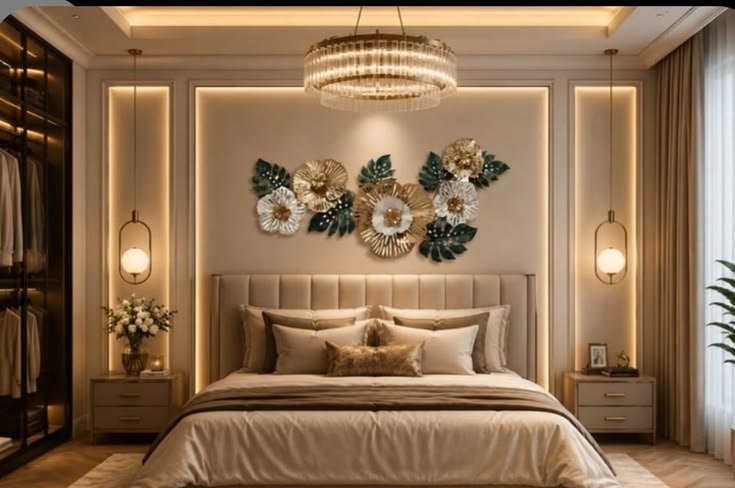
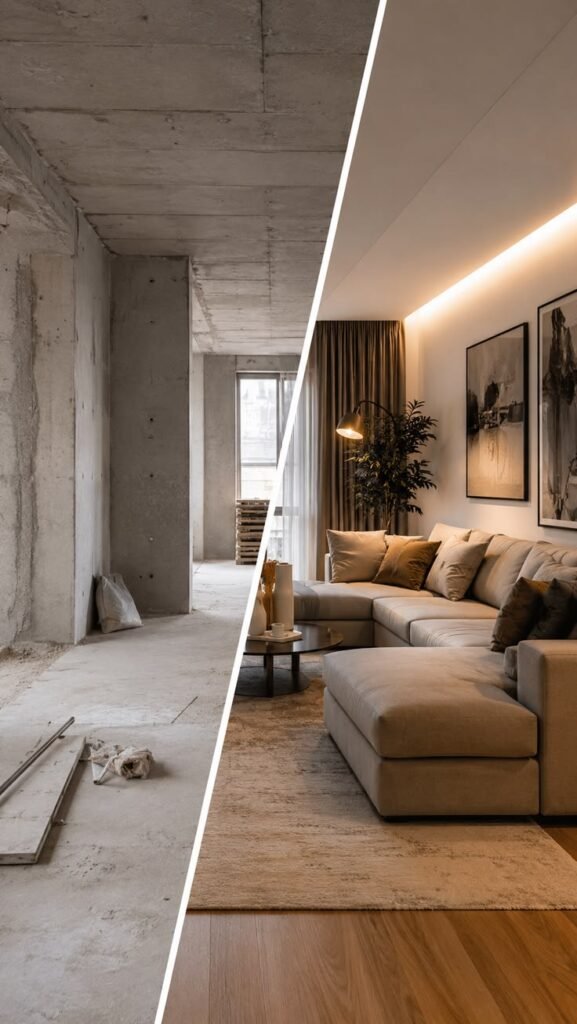
Choosing furniture for your home is about more than simply picking beautiful pieces. The right furniture should match your interior style, fit your space, provide comfort, and meet your everyday needs. Whether you are designing a new home or upgrading an existing space, thoughtful furniture selection can make your interiors look elegant, functional, and inviting.
1. Understand Your Interior Style
Before buying furniture, decide what style you want for your home. Your furniture should complement the overall interior design.
Popular styles include:
Modern and contemporary
Minimalist
Scandinavian
Luxury
Traditional
Industrial
Classic
For example, a minimalist home may look best with simple furniture and clean lines, while a luxury interior can include premium finishes, elegant sofas, statement chairs, and decorative details.
2. Measure Your Space Carefully
One of the most important steps is measuring the room before purchasing furniture. A beautiful sofa or dining table can make a room feel cramped if it is too large.
Measure:
Room length and width
Door and window positions
Wall space
Walking areas
Ceiling height
Staircase and entrance dimensions
Always leave enough space for comfortable movement around the furniture.
3. Choose Furniture According to Your Lifestyle

Your furniture should support the way you actually use your home.
If you have a large family, choose comfortable and durable sofas with enough seating. If you frequently work from home, invest in an ergonomic study table and chair. For homes with children or pets, easy-to-clean and durable materials may be a better choice.
4. Focus on Comfort
Furniture can look attractive but still be uncomfortable. Before purchasing, check the seating height, cushioning, back support, mattress quality, and overall ergonomics.
For sofas and chairs, comfort should be one of the top priorities because these pieces are used every day.
5. Select the Right Material

Furniture materials affect appearance, durability, maintenance, and cost.
Common options include:
Solid wood
Engineered wood
Metal
Glass
Fabric
Leather
Cane and rattan
For a warm and timeless look, wooden furniture is a popular choice. For contemporary interiors, combinations of wood, glass, metal, and fabric can create a stylish appearance.
6. Coordinate Colours and Finishes
Furniture colours should work well with your walls, flooring, curtains, lighting, and other interior elements.
Neutral shades such as beige, white, grey, cream, and natural wood tones can create a sophisticated look. You can add character with accent chairs, cushions, rugs, or statement furniture in stronger colours.
Avoid using too many competing colours in the same room.
7. Consider Quality and Durability
Furniture is a long-term investment, so don’t choose products based only on price. Check the construction, joints, hardware, upholstery, surface finish, and overall build quality.
Good-quality furniture can provide better comfort and durability while maintaining its appearance for years.
8. Think About Storage
Smart furniture can improve both the appearance and functionality of your home. Consider beds with storage, TV units with cabinets, wardrobes with customized compartments, storage benches, and modular furniture.
Well-planned storage helps keep your home organized and makes the interior look cleaner.
9. Maintain Proper Proportion
Furniture should be proportional to the size of the room. Large furniture in a small room can make the space feel crowded, while very small furniture in a large room may look disconnected.
For smaller homes, consider compact sofas, wall-mounted units, nesting tables, and multifunctional furniture.
10. Set a Realistic Budget
Create a furniture budget before you start shopping. Prioritize essential pieces such as the bed, sofa, dining table, wardrobe, and storage units.
Instead of choosing the cheapest option, compare quality, materials, durability, design, and long-term value.
11. Don’t Forget Lighting and Accessories
Furniture is only one part of a complete interior. Lighting, curtains, rugs, cushions, artwork, plants, and decorative accessories can help bring the entire room together.
For example, a simple sofa can look much more luxurious when combined with suitable lighting, a stylish rug, cushions, and a well-designed coffee table.
Conclusion
Selecting the right furniture for your home interior requires a balance of style, comfort, functionality, quality, space, and budget. Start by understanding your interior style, measure your rooms carefully, choose durable materials, and select furniture that fits your lifestyle.
With proper planning, the right furniture can transform an ordinary house into a comfortable, beautiful, and functional home.